One sends. One runs.
In A Midsummer Night’s Dream, Oberon is king of the fairies and Puck is his messenger, sent off with an errand and back before the scene is over.
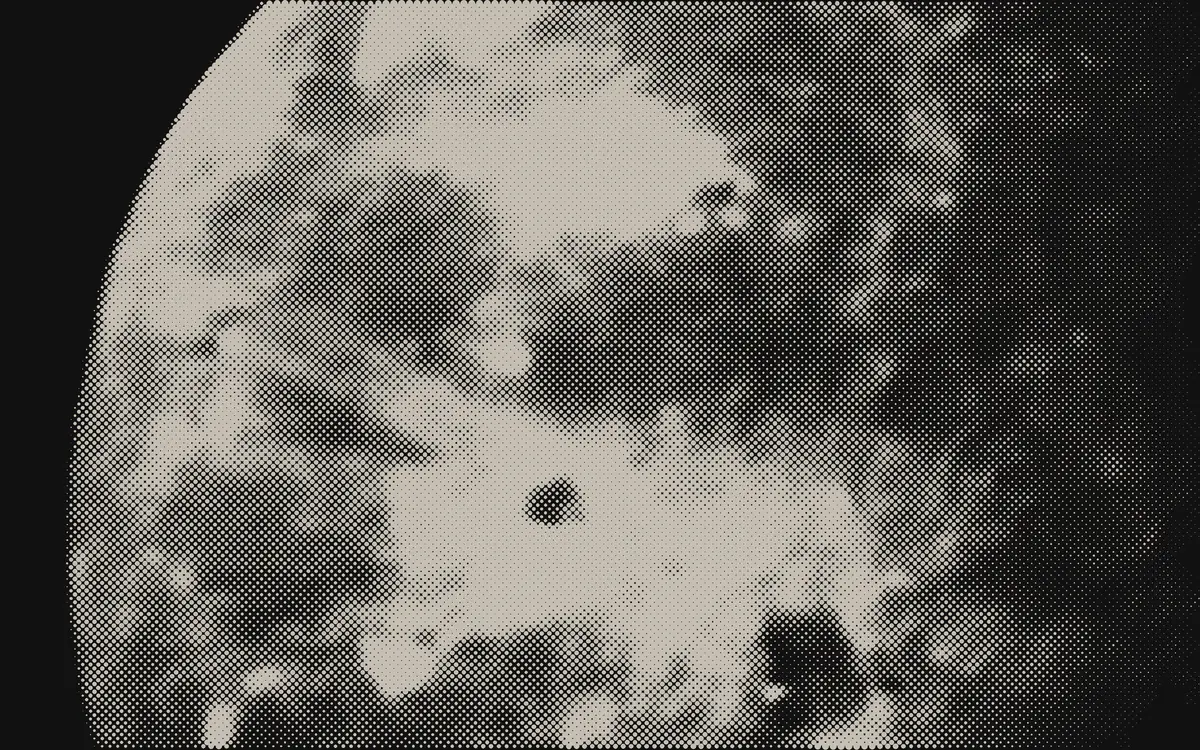
Both names went to moons of Uranus. Oberon is the outermost of the large ones, found by William Herschel in 1787. Puck is small and close in. Voyager 2 found it on 30 December 1985, and it circles the planet every 18 hours and 17 minutes: nearly eighteen laps for each one of Oberon’s.
We named the studio for the one who sends, and our first app for the one who runs.
What we hold to
- Native, always
- Our apps are compiled programs, not web pages in a window. They start in a blink and leave your memory to your work.
- Numbers with their conditions
- Every figure we publish comes with the machine, the method and the raw data. What we didn’t measure, we don’t claim.
- Keep what people know
- A faster app that makes you relearn everything isn’t faster. Puck keeps GitHub Desktop’s features and every one of its shortcuts.
- Small on purpose
- Puck installs at a sixth of the size and runs as one process. Lean software is easier to trust and quicker to fix.
Puck is the first.
More are in the workshop: native replacements for other heavy apps developers keep open all day. We’ll name them when they run.
Write to us at hello@oberon.gg. A person reads every message.